customer win-back
customer win-back,
when email has gone quiet.
To win back a customer, first find out why they left, fix what you can, then ask personally with a reason to return. Choose people who were worth keeping and stopped recently. When your emails go unopened, a handwritten card is a different way to reach them.
$5.15 a card, plus delivery.
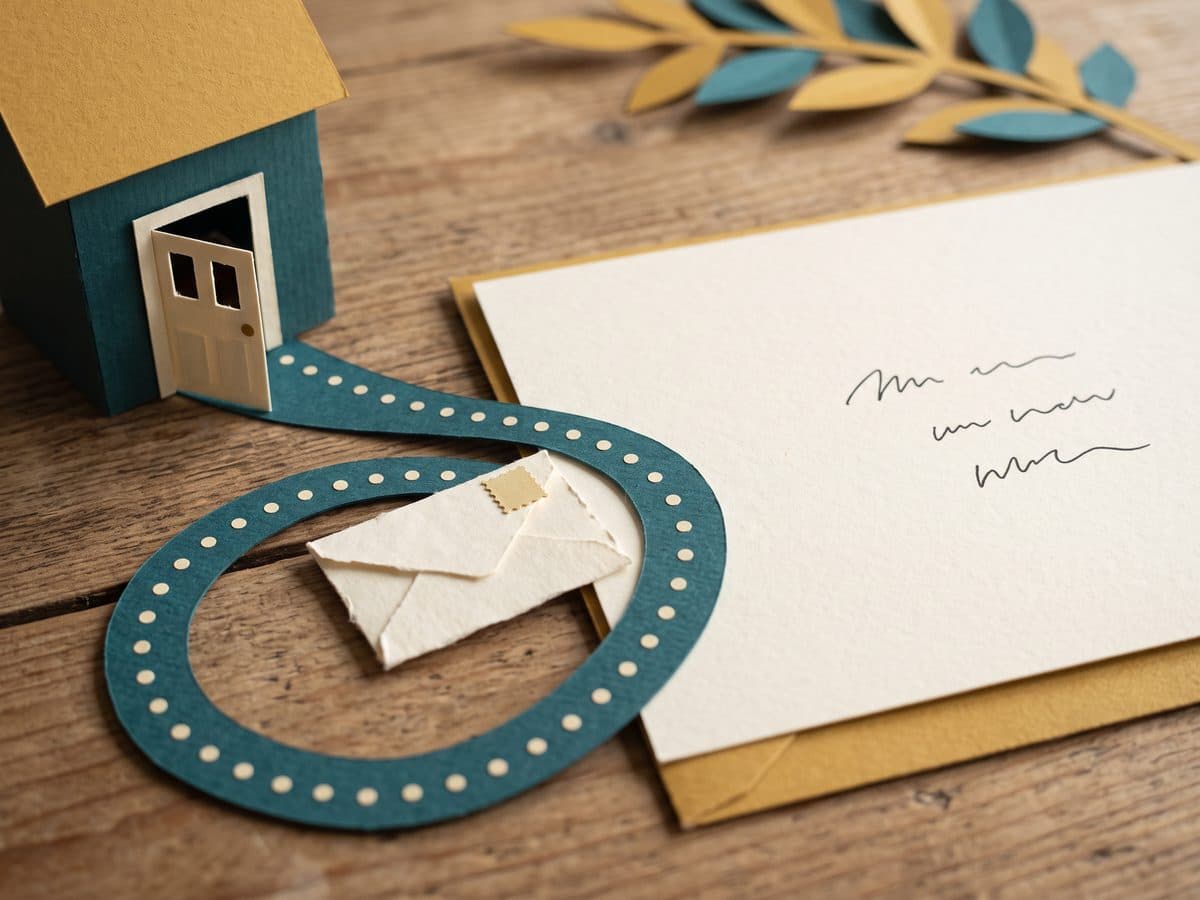
A customer win-back strategy
Five steps, in order.
Define lapsed
Use your own buying cycle. A customer who orders monthly has lapsed sooner than one who orders yearly.
Pick who to ask
Start with people who spent well and left recently. Leave out anyone who complained and was not answered.
Find the reason
Check support history, or ask. A discount does not fix the problem that made them leave.
Say what changed
Name what is different now, in plain words, and own any mistake.
Give one easy step back
One link or one code, and a real person to reply to.
Sending the card
Upload the lapsed list
Export it from your shop or CRM as a CSV. Each row is checked before sending.
Give each person a code
A [Code] column fills the placeholder, so you can see who came back.
Keep a group back
Send nothing to a similar group, then compare who returned.
- You write
- Dear [Name], we have missed you. We changed [Change] since you last ordered. If you would like to try us again, [Code] is yours.
- The pen writes
- Dear Priya, we have missed you. We changed our delivery times since you last ordered. If you would like to try us again, MARCH20 is yours.
What the evidence says
We found no study showing that handwritten cards raise retention.
- Direct mail to existing customers averaged a 6.3% response and £8.80 ROI, against 1% and £2.10 for cold mail. These are UK campaigns from 2023 to 2025, and they cover all mail, not handwriting. JICMAIL Response Rate Tracker 2026.
- A handwritten sticky note with a personal request roughly doubled survey returns: 76% against 36% in the first experiment. Garner 2005, summarised by the Behavioural Insights Team.
- Against us: thank-you postcards to 1,132 past donors drew a 19.3% response when handwritten and 18.7% when printed, which is no real difference. Adena, Huck and Neyse, Experimental Economics, 2025.
How to test it yourself
Split a list in two at random. Send cards to one half and nothing to the other, keeping everything else the same. After a few weeks, compare repeat orders, replies or gifts.
Sources checked 1 November 2026.
Price
$5.15 a card, plus delivery. No subscription. From 50 cards, from $4.63 a card down to $2.57 a card at 5,000+ cards, agreed on a call.
Delivery
Posted from Bangalore, India. Usual windows, not promises:
| United States | 8-15 days |
|---|---|
| UK | 7-14 days |
| Australia | 8-15 days |
| India | 3-7 days |
Questions
- When should I send a win-back card?
- After your emails have gone unanswered, and before the customer has been gone so long that the name means nothing. Your buying cycle sets the date.
- Can a card be triggered when someone lapses?
- Yes, if your own tool can spot it and post to a webhook. We do not watch your customers' activity for you.
- May I write to people who unsubscribed?
- Check the rules where they live first. Leave out anyone who asked you to stop contacting them.
Related: How to get repeat customers · Handwritten direct mail · Handwritten mail statistics
Try it on fifty customers.
Pick fifty who went quiet, hold back fifty more, and compare.